
EV Price Cuts Hit Used SUVs
Lower new-EV prices can ripple into used listings, trade values, and negotiation leverage.
Auto Market Report Research Desk / Updated 2026-06-01 / 5 min read
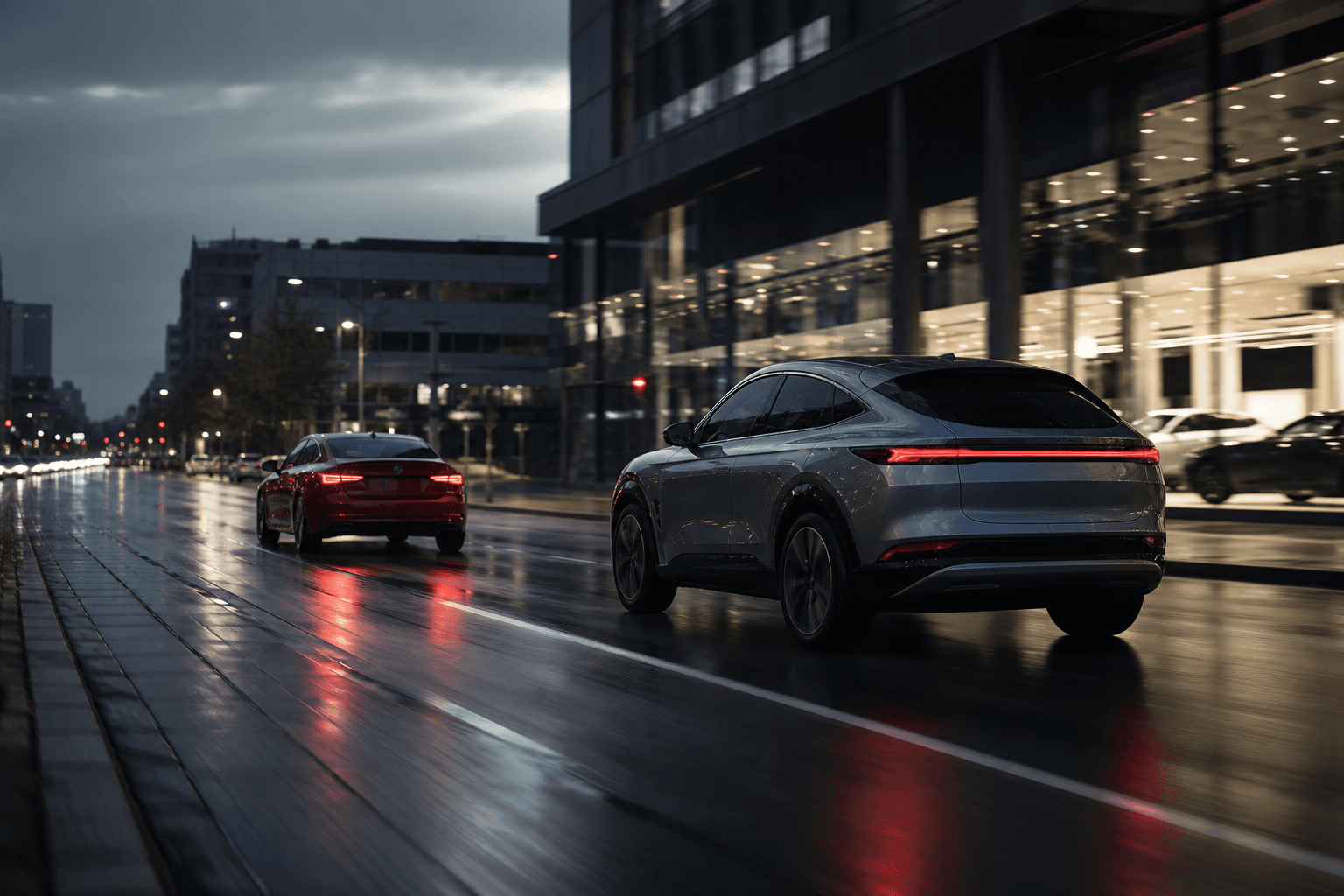
Electric-vehicle price cuts rarely stay contained to new-car showrooms. When a manufacturer reduces sticker prices or increases factory incentives, used-car sellers have to defend vehicles that may suddenly look less compelling beside a discounted new model.
That pressure shows up first on late-model used SUVs with overlapping range, size, and equipment. Shoppers comparing a two-year-old EV crossover with a new one should watch not just the listed price, but also warranty remaining, battery coverage, charging speed, and any software features tied to the original owner.
The practical opportunity is patience. If a new round of incentives appears, used inventory may not reprice immediately. Listings can lag by days or weeks, especially at smaller stores. A buyer who knows the current new-car transaction environment can make a cleaner case for a lower used price.
Tax-credit eligibility adds another layer. Some used EVs qualify under separate rules from new EVs, while others lose an advantage because the new model is heavily discounted. The right comparison is the total out-the-door cost after incentives, financing, registration, and likely resale value.
A strong used EV deal still needs normal diligence. Confirm battery health reporting, charging history where available, tire condition, remaining warranty language, and whether included charging hardware is original. The headline discount matters less than the vehicle you can live with for years.